


The historical journey of casinos From ancient gatherings to modern marvels
The Origins of Gambling
The concept of gambling dates back thousands of years, with evidence of betting activities found in ancient civilizations such as Mesopotamia, China, and Egypt. These early forms of gambling often involved dice or primitive games of chance, allowing participants to wager items of value, including livestock and crops. Moreover, as these gatherings evolved, they became social events where community members bonded over games of luck and fortune, including online casinos australia.

As societies evolved, so did the complexity of gambling activities. By the Roman Empire, organized games were prevalent, with public gambling houses attracting large crowds. Such establishments were the precursors to modern casinos, marking the transition from informal gatherings to more structured betting environments.
The Rise of Organized Gambling Houses
During the Middle Ages, gambling remained popular across Europe, but it was not until the Renaissance that gambling houses began to formalize. The establishment of the first official casino, the Ridotto in Venice, in the early 17th century represented a significant shift. This venue offered regulated games in a controlled environment, paving the way for the casino culture that we recognize today.
With the rise of organized gambling houses, societal attitudes towards gambling began to shift. While some viewed it as a vice, others embraced it as a form of entertainment, setting the stage for modern gambling legislation and the establishment of more sophisticated gaming regulations.
The Golden Age of Casinos
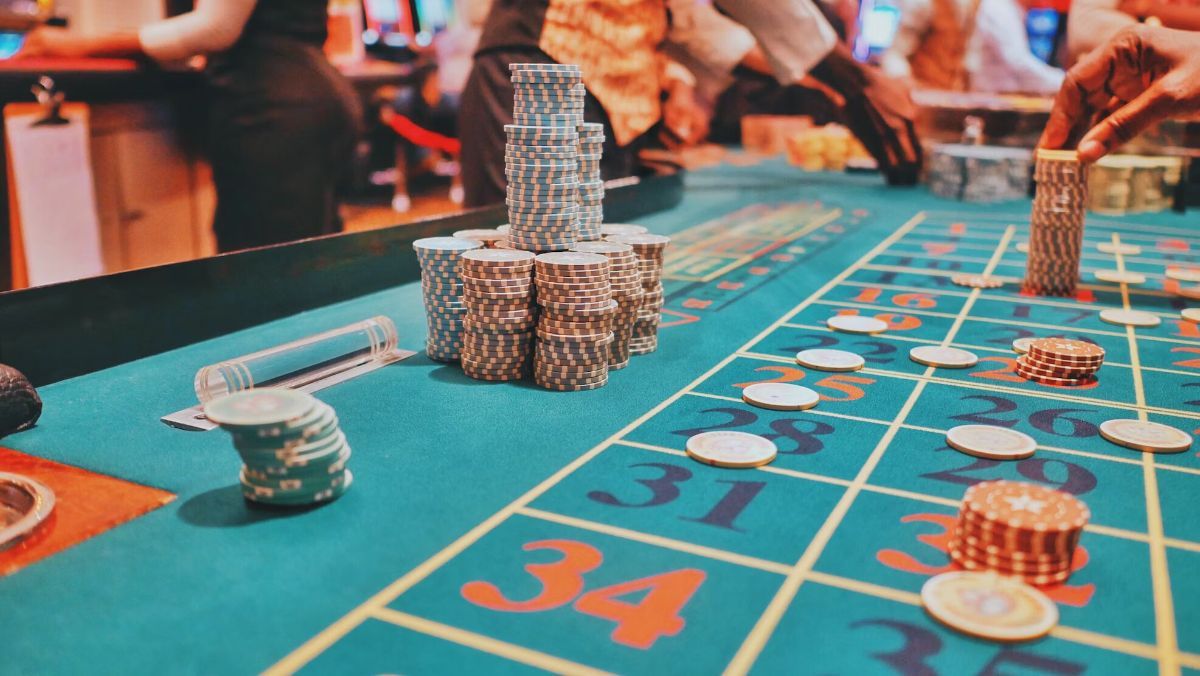
The 19th century marked the golden age of casinos, particularly in Europe. Iconic establishments like Monte Carlo Casino in Monaco and the Casino de Paris became synonymous with luxury and high-stakes gambling, showcasing the allure of this evolving industry. During this era, innovations such as the roulette wheel and blackjack emerged, further captivating the public’s imagination and solidifying casinos as entertainment hubs.
Furthermore, the expansion of railroads and improved transportation made it easier for individuals to travel to these glamorous destinations. As a result, casinos transformed into social epicenters, drawing in not only gamblers but also tourists and celebrities who sought the thrill and glamour associated with gaming.
The Transformation in the 20th Century
The 20th century brought significant changes to the gambling landscape, particularly with the legalization of casinos in various regions. Las Vegas emerged as the gambling capital of the world, with extravagant resorts that combined entertainment, dining, and gaming under one roof. This evolution turned casinos into not just places for gambling but complete entertainment experiences.
The introduction of technology, such as slot machines and later video gaming, revolutionized how people engaged with gambling. These advancements made it easier for novices to participate and attracted a wider audience to the gaming floor. The emphasis on customer experience also led to the rise of loyalty programs, comp systems, and elaborate shows, making casinos more inviting and inclusive.
Your Gateway to a Safer Online Experience
As we explore the historical journey of casinos, it’s essential to recognize the modern challenges that come with online gambling. With the surge of online casinos, the need for user verification and security has never been more critical. Ensuring that players can engage safely in this digital landscape enhances their overall experience.
Our platform is dedicated to providing reliable verification solutions, protecting your online activities against potential threats. By prioritizing user experience and security, we create a trustworthy environment for both new and seasoned gamblers looking to explore the exciting world of online gaming.