


Exploring the social dynamics of gambling What drives our choices
The Allure of Gambling in Social Contexts
Gambling has long been intertwined with social interaction, serving as a platform for building relationships and community engagement. The thrill associated with games of chance often fosters a unique camaraderie among players, as they share in the excitement and tension of the experience. This social aspect can be especially compelling in environments like casinos or poker tournaments, where the atmosphere buzzes with anticipation and shared emotion. In fact, many individuals seek out bitcoin gambling as it combines the allure of traditional gambling with modern technology.
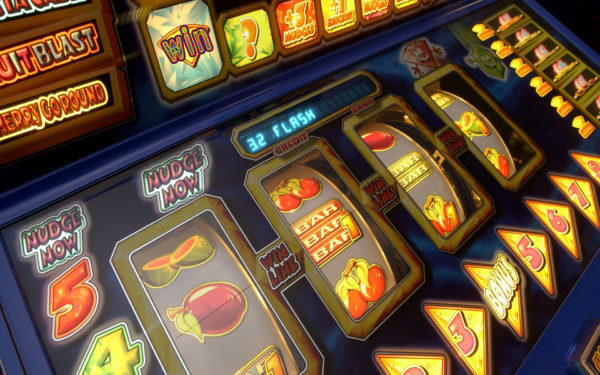
Moreover, the communal nature of gambling can encourage individuals to make riskier choices than they might in solitary play. Group dynamics can amplify both the allure of potential winnings and the impact of losses, influencing players’ decisions. The presence of peers can create a sense of urgency and collective energy, prompting individuals to take bigger risks or extend their playtime, often leading to emotional and financial consequences.
The Influence of Celebrity Gamblers
In recent years, celebrity gamblers have emerged as significant figures within the gambling landscape. Their visibility and the lifestyles they embody can glamorize gambling, positioning it as an aspirational activity. When high-profile individuals openly discuss their gambling experiences or post about them on social media, they inadvertently shape public perception and behavior, often encouraging fans to emulate their choices.
This phenomenon highlights a critical social dynamic: the desire to identify with or be like successful figures. As celebrity gamblers share their stories of both triumph and loss, they become relatable avatars for the average person, further complicating the decision-making process for those who aspire to partake in gambling activities. The influence of these personalities can drive engagement and risk-taking behavior among followers, amplifying the social dynamics at play in gambling contexts.
Cognitive Biases and Decision-Making in Gambling
The decision-making process in gambling is deeply influenced by cognitive biases. Many players underestimate the odds and overestimate their chances of winning, a phenomenon known as the gambler’s fallacy. This cognitive distortion can lead individuals to take ill-advised risks based on emotions rather than rational analysis. Social interactions may further entrench these biases, as individuals seek validation from their peers regarding their choices.
Additionally, emotional states can significantly impact gambling decisions. When players are feeling optimistic or euphoric, they are more likely to make impulsive decisions that do not align with their usual risk profiles. This emotional interplay is often intensified in social settings, where group behavior can either reinforce or counteract individual biases, creating a complex web of influences that dictate gambling choices.
The Role of Culture in Shaping Gambling Behavior
Cultural factors play a pivotal role in shaping attitudes toward gambling and the social dynamics involved. In some cultures, gambling is celebrated and integrated into community events, fostering a sense of belonging and shared enjoyment. In contrast, other cultures may view gambling as taboo, which can create a sense of isolation for those who partake in it. These cultural narratives heavily influence individual choices and the social circles in which gambling is acceptable.
Furthermore, the distinction between recreational gambling and problem gambling can often be blurred by cultural perceptions. While some societies may embrace gambling as harmless entertainment, others may stigmatize it, impacting how individuals view their own behaviors and choices. This cultural lens not only shapes the environment surrounding gambling but also dictates the dynamics within social groups, influencing how individuals engage with the activity.

Enhancing Online Security in Gambling Environments
As the gambling landscape continues to evolve, particularly in the realm of online platforms, ensuring user safety becomes paramount. Websites dedicated to gambling must prioritize secure interactions, employing verification processes to confirm the authenticity of users. This not only protects the integrity of online gambling experiences but also fosters trust among participants, which is crucial given the social dynamics at play.
By implementing user-friendly verification methods, these platforms can enhance the overall gambling environment, allowing individuals to engage in their chosen activities with confidence. This commitment to security not only safeguards players but also contributes to a healthier gambling culture, where informed choices and responsible behaviors are encouraged and celebrated.